Winter driving places extra demands on you and your vehicle–changing weather conditions, slick roads, shorter daylight hours.
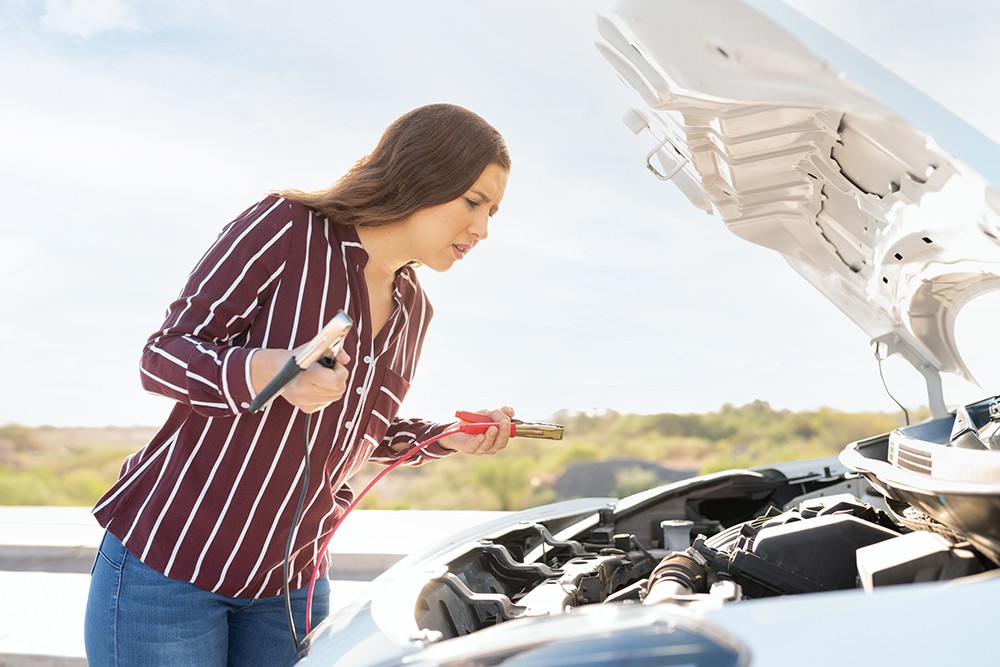
Consider: Some 700,000 roadside assistance calls were reported in Canada and US during the 2025 November holiday period, according to the American Automobile Association and the Canadian Automobile Association.
The causes?
Vehicle battery issues, tire problems, empty fuel tanks, towing/winching requests and lock-outs.
Here are some easy ways to prepare your vehicle for upcoming travel plans this November:
Top 7 Maintenance Tips For November
1. Battery health. A weak vehicle battery can fail overnight in cold weather. Have a certified mechanic inspect the battery for corrosion and test the condition.
Do you drive a hybrid or EV? Make sure to fully charge your vehicle before driving in winter. Recent EV performance tests by AAA show a marked decline as temperatures drop.
For instance, at temperatures of 20 degrees F, EVs demonstrate a 35.6% drop in MPGe and a 39.0% decrease in calculated driving range.
“EVs are efficient in moderate temperatures but lose significant range in the cold,” says Greg Brannon, director of automotive engineering and research at AAA. “We expected this from our previous research, but were surprised by the 23% reduction in fuel economy for the hybrids in cold temperatures.”
2. Replace windshield wipers. Wiper blades are part of your vehicle’s safety equipment and inexpensive investment in your family’s well-being. Summer heat hardens wiper blades and causes them to streak, skip, crack and smear.
Not all wiper blades are suited to winter use. There are a wide array of specialty blades that perform admirably under a variety of winter weather. Ask your service advisor to recommend and install the right blades for your excursion.
3. Inspect tires. Look for uneven wear, cracks and bulges. Make sure your tires are properly suited for the road and weather conditions you expect to encounter. Adequate tread depth helps maintain contact on wet or slippery roads.
4. Check your tire pressure. Underinflated tires were named by AAA as a common reason for winter roadside assistance in November. Make sure to have your tire pressure checked before leaving town.
Note: Pressure must be checked when the tires are cold to get an accurate reading. Follow recommendations shown in your auto manual or printed along the driver’s side door.
Recheck pressure if temperatures change significantly during holiday travels.
5. Wheel Alignment. Does your car pull to one side of the road? Misaligned wheels cause tire wear and stable handling on slick roads. Visit an auto repair shop if you notice these signs.
6. Make sure brakes are ready. Wet or slippery roads require reliable braking response. Notice any vibrations, squeaking and grinding sounds? Ask a service advisor to check the brake pads and rotors.
The heat of summer driving takes a toll on a vehicle braking system, and your brake pads may need replacement before winter travel.
7. Check lights and signals. Make sure your headlights, brake lights, turn signals and hazard lights are working properly. Have a friend walk around your vehicle while you press the brake pedal and turn on and off lights.
For traditional halogen lights, replace burned or dim out bulbs. All LED lights, inspect the housings for cracks and moisture.
Also, take along clean quick detailer to clean lenses during your travels. Road splatter reduces visibility during shorter days and longer nights.
Other Recommendations for November travel
- Fill up windshield washer reservoir. The fluid tank may be low after recent rains and summer travel. Top it off before your November road trips. Also, test the spray nozzles to ensure they are working properly.
- Test defroster and heater. Chilly November mornings can cause windows to fog or frost. Turn on the defroster and heater to make sure they are working properly. Ask your advisor to inspect the system if it is not performing as expected.
- Coolant and essential fluids. Low fluid levels can pose problems during long journeys. Ask a service professional to check your oil level and condition. Confirm the coolant level and mixture is suitable for colder temperatures.
- Engine belts and hoses. Months of summer heat can take a toll on rubber belts and hoses. Ask a technician to inspect them for cracks, swelling and soft spots. Replacing a worn belt or damaged hose prevents an unexpected breakdown miles away from home.
- Schedule Maintenance. Pay attention to dashboard warning lights, fluid leaks and changes in braking, steering and vehicle performance. A pre-trip inspection can help identify problems that could leave you stranded on the road.